Slope changes everything about tree work here
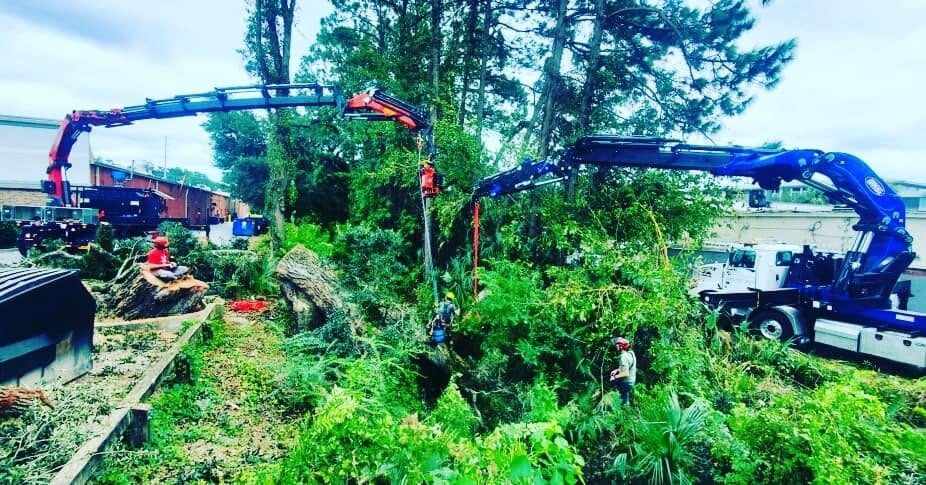
Travelers Rest sits where Greenville County runs out of flat ground. The Blue Ridge escarpment rises just north of town, and the neighborhoods along Poinsett Highway and into the Paris Mountain corridor are built into terrain that rarely gives a crew a clean drop zone. A tulip poplar on a flat lot in greater Greenville falls in a predictable line; that same tree on a hillside above a home requires rigging, sectional cuts from the crown down, and a plan for where every piece lands — often in a narrow window between a structure and a steep slope.
The canopy along the foothills edge also tends toward larger-diameter hardwoods: white oaks, water oaks, and tulip poplars that have had decades to establish in the Upstate's clay-based soils. That size, combined with slope, is what separates a Travelers Rest removal from a typical subdivision job in the Greenville metro. Getting a large tree down safely on this terrain means the crew needs to walk the property first, not quote from the road — the approach, the fall zone, and the rigging anchor points are all variables that change with the specific hillside. If you have a large oak, hickory, or poplar hanging over a roofline or leaning uphill toward a foundation, the full tree removal process page explains how a proper job gets scoped before a saw is lifted.
What tree removal costs in Travelers Rest
The ranges below reflect typical Upstate SC jobs in this terrain type. See the full tree removal cost breakdown for a detailed look at what moves price. Tree Wisemen provides free on-site estimates within 50 miles of Easley; every quote is specific to your property and access conditions.
| Job scope | Typical range |
|---|---|
| Small tree (under 30 ft), open drop zone | $300–$600 |
| Medium tree (30–60 ft), standard access | $600–$1,200 |
| Large tree (60+ ft), open lot | $1,000–$2,000 |
| Large tree on slope, tight access, or over structure | $1,500–$3,000 |
| Storm-damaged tree with hang or widow-maker section | Add $200–$500 to base |
The factors that push a job toward the high end in Travelers Rest: steep slope with no ground crew clearance, canopy sitting directly over a structure, significant lean with no safe directional fell, and limited truck or chipper access on the narrower roads toward the ridge. An on-site estimate is the only reliable way to know where your job lands; aerial images miss the access picture entirely.
Storm damage and the foothills weather picture
Greenville County carries 23 federal disaster declarations spanning 2003-2026, most of them in the storm and flooding category. The Blue Ridge escarpment creates a local weather dynamic where severe thunderstorms, particularly those with straight-line wind components, push through the foothills with more intensity than they carry into the flat Midlands. Mature hardwoods with root decay, included bark at major unions, or prior storm wounds are the first to fail when that happens.
The National Weather Service documents the Greenville-Spartanburg area's severe weather exposure: the Upstate sits in a corridor that sees frequent late-spring and summer squall lines tracking off the mountains. After a significant event, it's worth walking your property for partially attached limbs before resuming normal activity under the canopy — a hanging section on a slope can dislodge days after the initial storm with no additional wind required. An on-site assessment can determine whether storm damage is confined to limb attachments or extends into the trunk and root zone, a distinction that affects both removal scope and urgency. Storm cleanup volume in Travelers Rest tends to run high after major events, partly because of canopy density and partly because much of that canopy sits over occupied structures on hillside lots.
The SC Forestry Commission maintains urban forestry resources and wildfire-risk mapping for the Upstate, including guidance for property owners assessing trees near structures along the Paris Mountain and North Greenville corridor.
What to look for in a Greenville County tree crew
Tree removal falls under contractor licensing in South Carolina once job scope and dollar thresholds apply. The SC LLR Contractor Licensing Board sets those requirements, and any crew doing significant removal on your property should carry documented general liability and workers' compensation insurance before the first cut. Ask for the certificate, not a verbal assurance — a crew without coverage transfers any on-site injury or property damage to your homeowner's policy.
Three questions specific to Travelers Rest: whether they have experience with slope lots in the Paris Mountain and foothills area (flat-lot crews plan and rig differently), whether full debris haul-off is included in the quote or billed separately, and how they handle access on narrow private lanes. The answer to the access question tells you whether they've visualized your property or quoted from a map.
If you're unsure whether a struggling tree is worth removing or treating, the Clemson Cooperative Extension Home & Garden Information Center publishes species-specific tree care guidance for Upstate SC conditions, including common failure indicators for hardwoods in this region.
Stumps and slope stability after removal
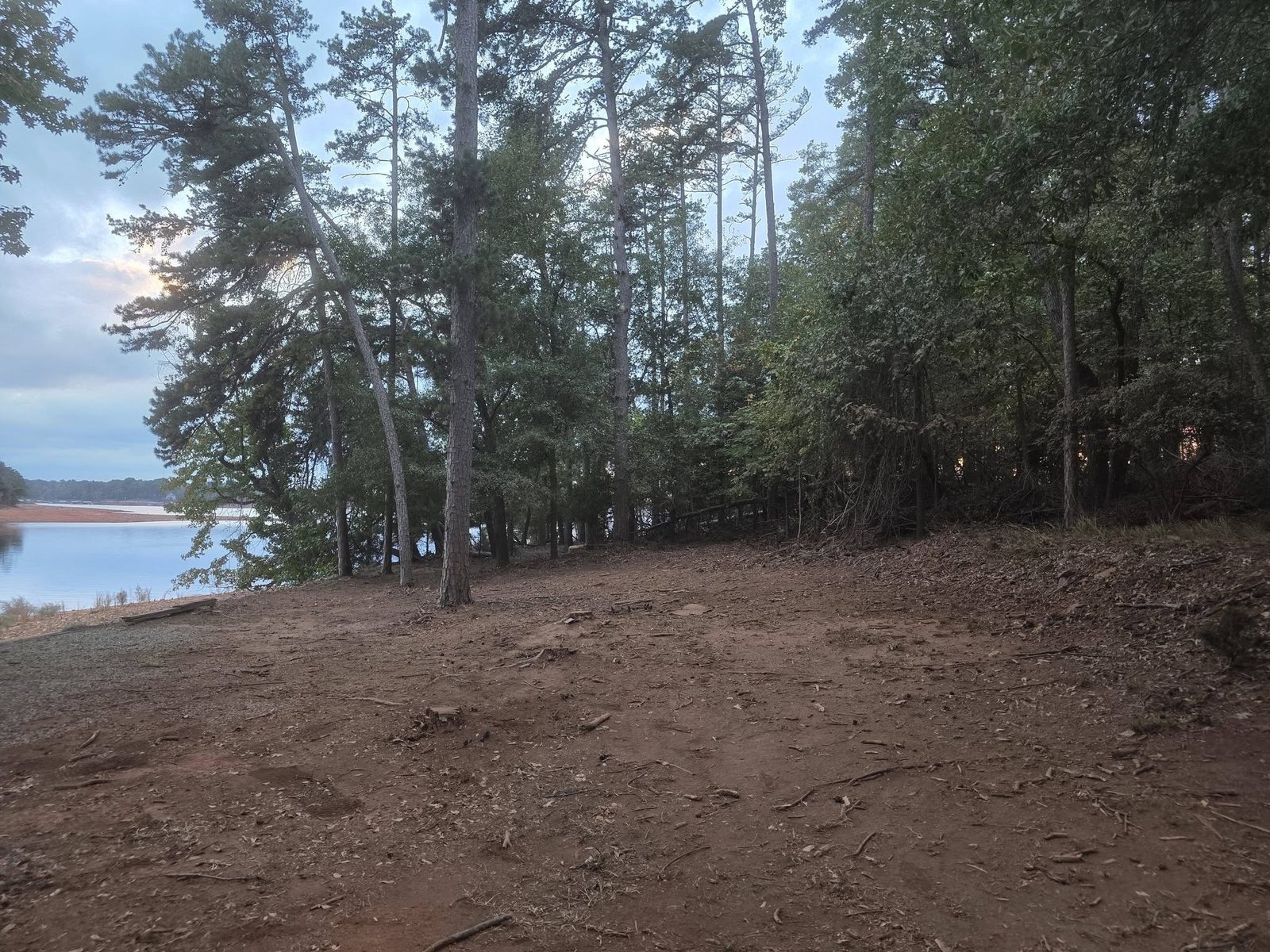
The job is not finished when the tree is on the ground. A leftover stump on a hillside lot becomes a water-collection point, a tripping hazard, and a persistent source of root sprouts. Stump grinding takes the root crown below grade so the spot can be seeded, graded, or built on without interference from the old root structure.
On sloped ground, prompt grinding matters beyond aesthetics: an unground stump on a recently cleared hillside can hold moisture and contribute to small-scale erosion after heavy rain, particularly if the removal disturbed surrounding root mass. Standard next steps on any slope-adjacent job are grinding promptly and covering the exposed area with seed or erosion-control mat. If you're replanting, the full stump and lateral root zone need to be cleared first — a new tree planted too close to old roots will compete for water and soil nutrients from the start.