Mill-era tree stock shapes every job here
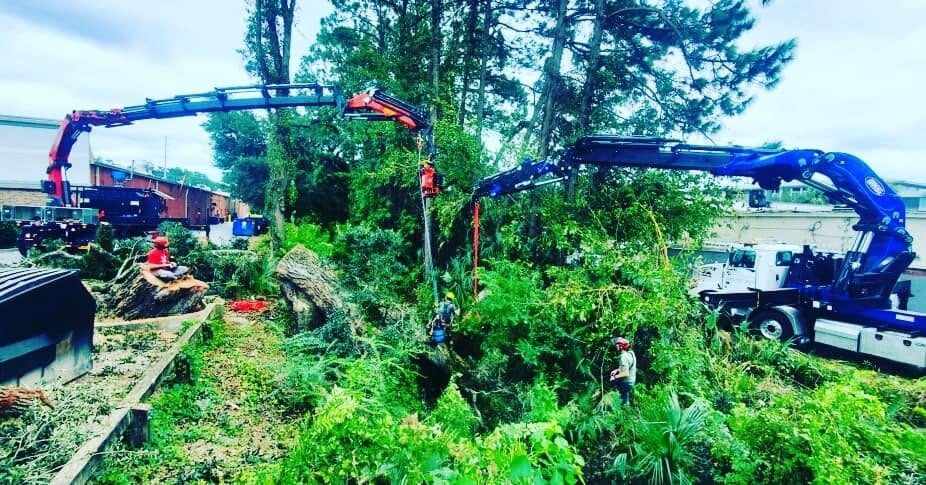
Williamston's oldest neighborhoods date to the textile mill era, and the shade trees planted along those streets and yards have had decades to become proper hardwoods. When one of those oaks, sweetgums, or tulip poplars finally comes down — from age, storm damage, or a remodel — the stump left behind is not the same job as a fresh-cut pine on a new subdivision lot outside Anderson. Diameter runs wide, the root plate is dense, and the wood takes more grinding passes to work down to a plantable or pavement-safe depth.
That distinction matters because it shapes the estimate. A stump that looks comparable to a photo in a pricing guide can sit two or three price tiers higher once a grinder operator sees that it is sixty-year hardwood at the base. The stump grinding cost guide covers how diameter and species work together to build a job price; this page covers what is specific to Williamston's housing stock and Anderson County conditions.
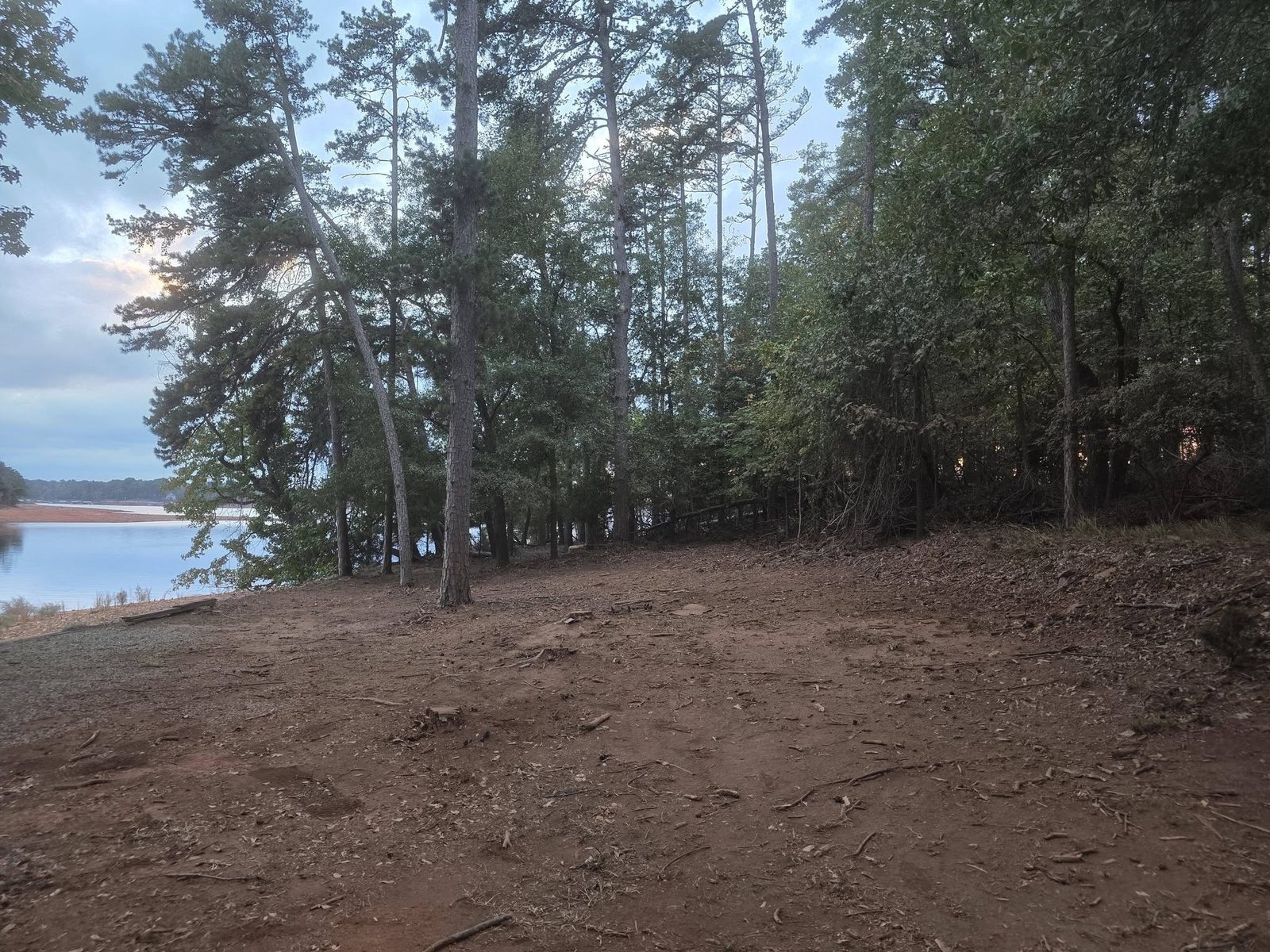
The other Williamston variable is red clay. Upstate Piedmont soil runs dense and sticky, which means grinding debris — a mix of wood chips, root fragments, and compacted clay — settles quickly in the hole left behind. What looks like a clean finish at job end may drop several inches as that fill dries and contracts. Any crew working here should give you a realistic picture of fill depth and what it means for replanting or laying sod.
What the job scope costs in Anderson County
Stump grinding prices across the Upstate follow diameter and species more than anything else. The table below maps the job types that show up most often on Anderson County properties:
| Job Type | Typical Range |
|---|---|
| Small stump (under 12" diameter) | $100 – $150 |
| Medium stump (12–24" diameter) | $150 – $250 |
| Large hardwood stump (24–36") | $250 – $350 |
| Very large or multi-trunk stump (36"+) | $300 – $400 |
| Surface root grinding | Priced at estimate |
Hardwood species — the oaks, sweetgums, and pecans common on older Williamston lots — push toward the top of each tier compared to softwoods at the same diameter. Multiple stumps ground in a single visit often reduce the per-stump figure because mobilization cost is shared; ask about that at estimate time. Tree Wisemen provides free estimates for jobs within 50 miles of Easley, so there is no guesswork before you commit.
Storm history and the stump backlog in Williamston
Anderson County has accumulated 18 federal disaster declarations spanning 2005-2026, most of them tied to severe storms, high winds, and flooding events that move through Upstate SC with regularity. Each event that brings down a tree leaves a stump. For many Williamston homeowners, the tree removal happened years ago and the grinding simply never followed — the original crew quoted it separately and the quote was set aside.
A stump left in the yard is not neutral. Decaying wood attracts termites and carpenter ants; exposed root flares create mowing hazards and trip risks; and root sprouts keep returning. The stump-in-the-yard guide covers those decisions in full, including when grinding makes sense versus when managing in place is the practical call. If the stump sits near a drainage swale or a lot line, verify with Anderson County whether clearing is required before hardscaping or replanting over that area.
What comes after the grinder leaves
Grinding physically removes the stump, but many hardwood species will push root sprouts from lateral roots the grinder did not reach. Sweetgum is the worst offender in this area: a sweetgum stump can generate dozens of sprouts in the growing season after grinding if the lateral root system stays intact. Clemson Cooperative Extension's Home and Garden Information Center has species-specific guidance on managing stump sprouts, including when a targeted herbicide application makes sense and when repeated cutting is the more practical path.
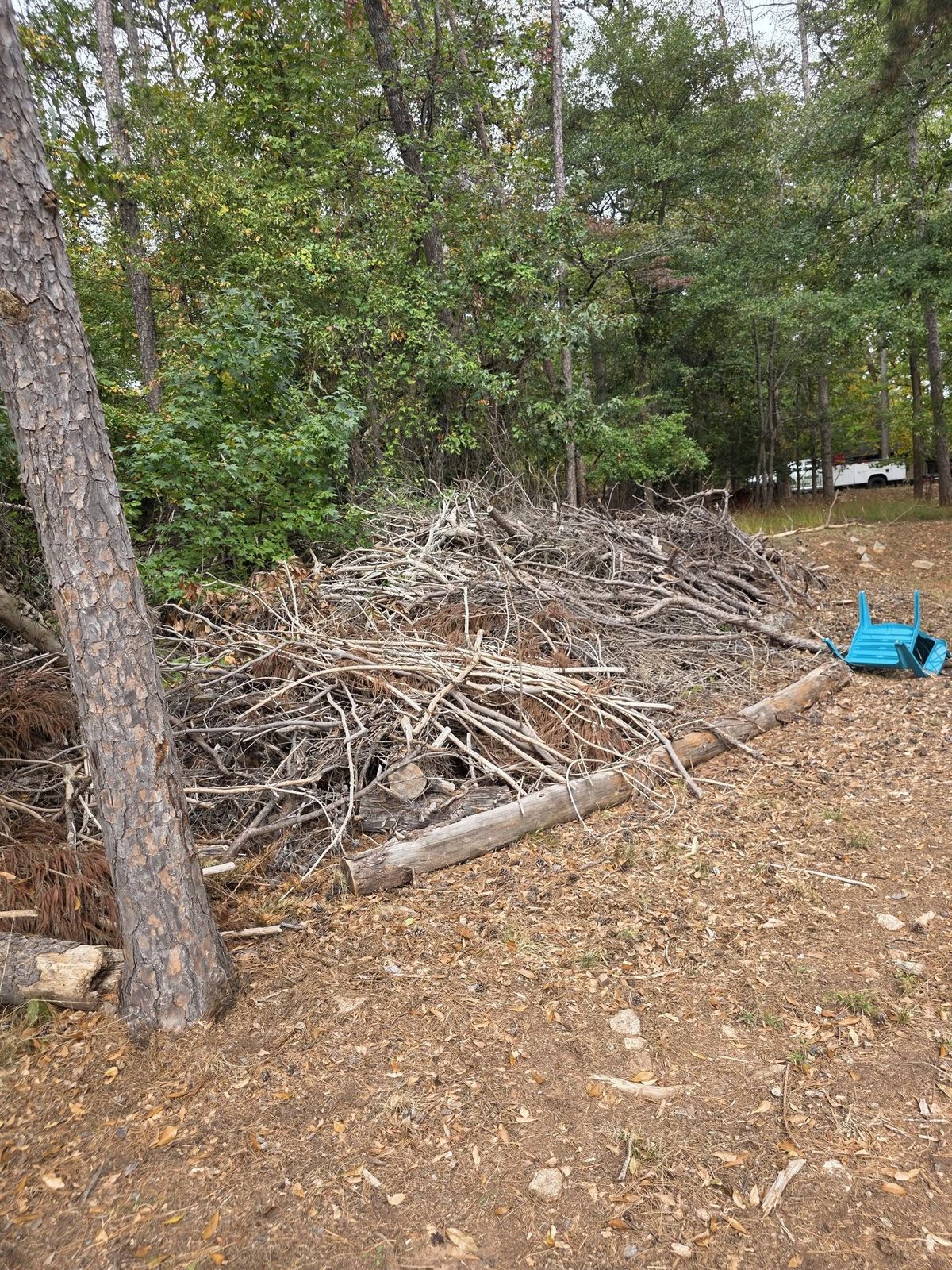
The SC Forestry Commission notes that dried stump and root debris left on-site can contribute to fire fuel load during the drier summer months — relevant during Upstate SC's fire-risk season. Standard practice is to haul the larger debris or offer backfill; confirm what your crew includes before the job starts so there are no surprises at cleanup.
What to ask before hiring a grinding crew here
For residential stump grinding, ask to see current general liability insurance before anyone fires up a machine — grinding throws debris and insurance protects you if anything strikes a window or a parked vehicle. Crews doing regular tree and grounds work in South Carolina operate under rules set by the SC LLR Contractor Licensing Board; if the job is part of a larger construction or grading project, licensing thresholds may come into play.
Beyond insurance: ask whether the quote includes debris haul-away or just the grind, ask what depth the crew grinds to (industry standard is 6 to 12 inches; replanting needs the deeper end), and ask how they handle the clay-heavy backfill common on Anderson County lots. Crews that have worked Upstate SC soil will give you a straight answer on fill depth and settlement expectations. See the full stump grinding service page for what a complete job scope includes.