What slope and density do to a debris job
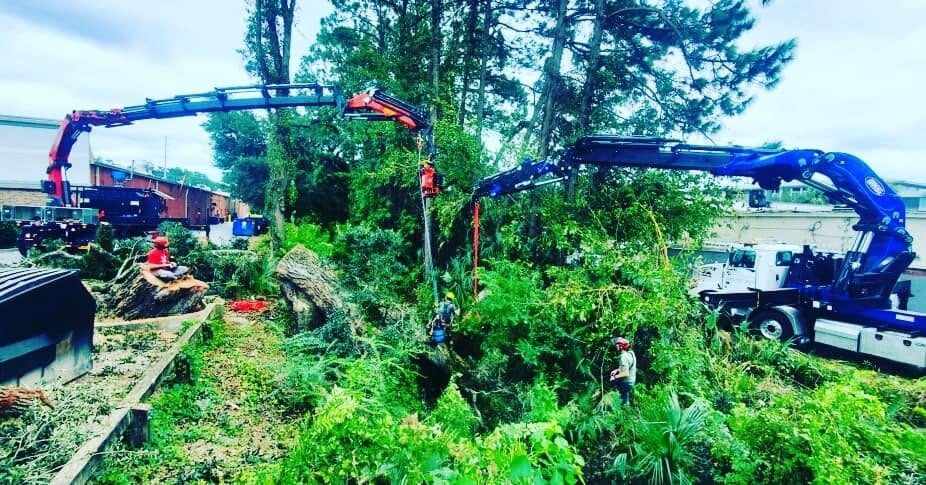
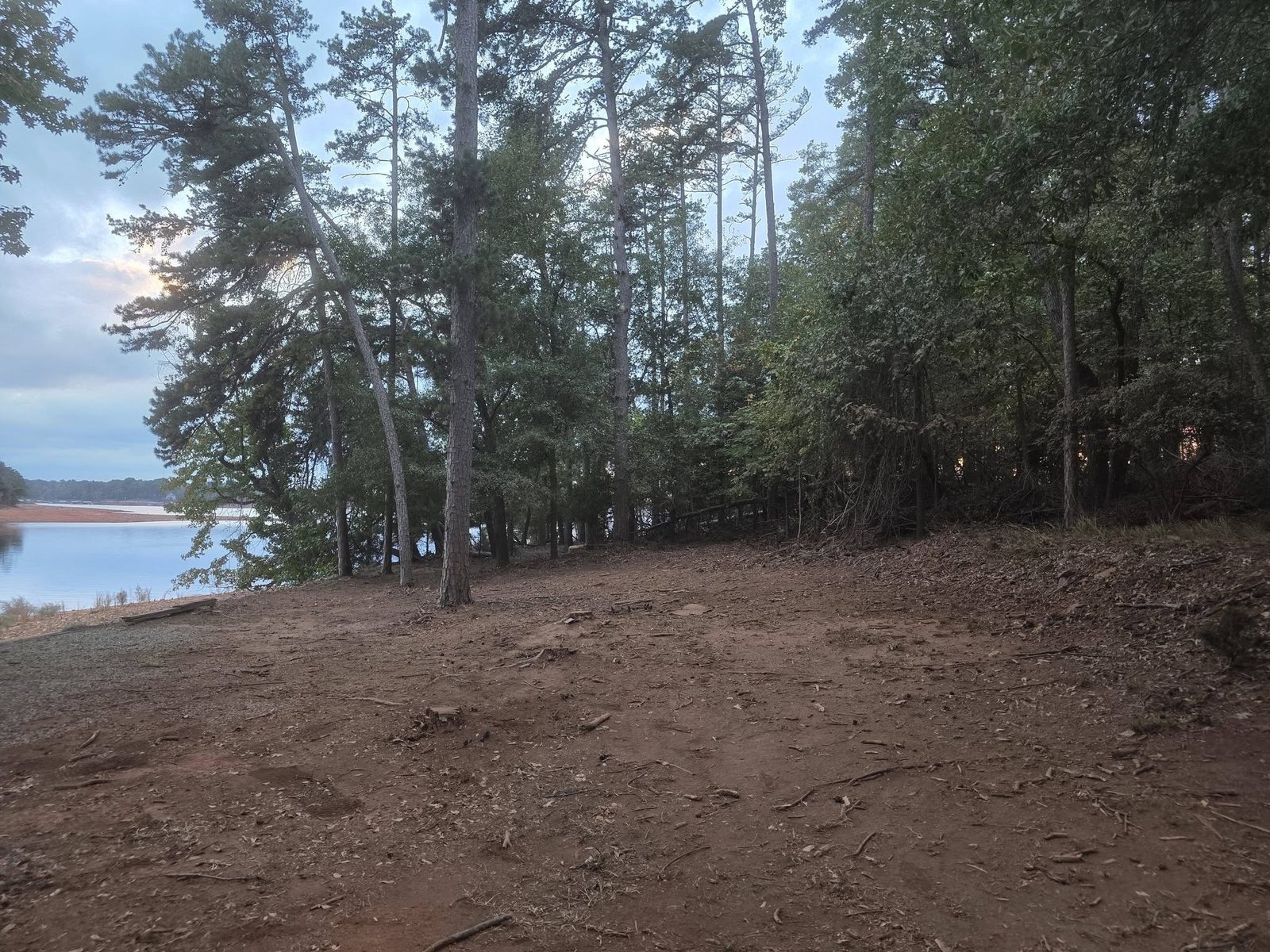
In Pickens County, the gap between a hauling estimate and what cleanup actually takes comes down to two variables that flatland quotes rarely price correctly: slope and biomass density. The mature mixed stands backing residential lots in and around Easley — loblolly pine, sweetgum, red maple, water oak, and hickory on most parcels — carry significantly more volume per acre than a comparable lot on the flat piedmont two counties east. When those trees come down through storm damage, age, or deliberate clearing, what lands on the ground routinely fills three to four roll-off loads from a single acre, not the one or two a south-of-Columbia estimate might assume.
Slope compounds the volume problem. A job on a level lot off a standard residential driveway and a job on a grade with limited truck approach are different operations even at identical volume. Equipment dropping into a Pickens County foothills lot needs a haul route planned before the first saw runs. That planning should be part of any tree removal quote in this area from the start, not an add-on after the pile is already on the ground.
The species mix matters separately. Loblolly pine snaps and scatters under wind load in ways that hardwood does not, creating debris that takes longer to consolidate and load. Lots that have gone unmaintained for several years also tend to carry significant understory — privet, wild grape, and greenbriar are common throughout the county — which adds real haul volume that does not show up in a visual inspection from the driveway.
What goes on the truck and what changes the scope
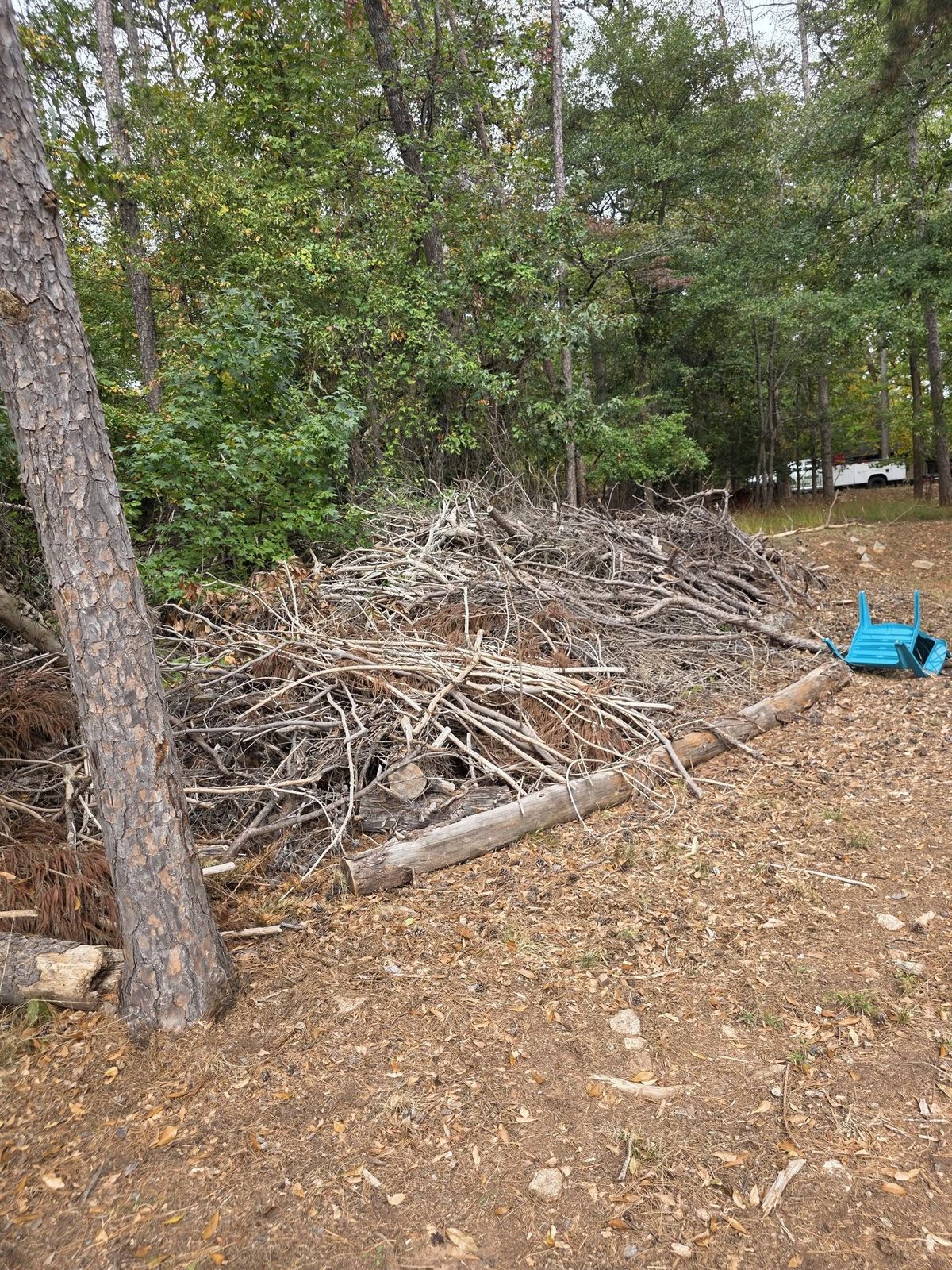
After a land clearing job, debris hauling means brush piles, logging slash, root balls, stumps that will not be ground in place, and chipped material the landowner wants removed rather than spread. After a storm it means downed trunks, broken canopy limbs, and the scatter pattern that wind events deposit across a property. Light demolition — a rotted outbuilding, an old deck, a fence line and its footings — adds dimensional lumber, concrete block, and mixed demo material to the job scope.
Each material type loads and disposes differently. Pine slash is light but bulky; hardwood root balls are dense and require equipment to move; mixed demo debris must be sorted before it goes anywhere. The scope conversation at the estimate determines which of these is the primary job, and on some Pickens County properties it is all three at once.
What does not belong on a standard debris truck: tires, appliances, paint and solvents, and anything from a structure built before 1980 that has not been evaluated for asbestos-containing material. Demolition that crosses into regulated material territory triggers licensing requirements under the SC LLR Contractor Licensing Board. Identifying that before work begins keeps a straightforward cleanup from becoming a compliance problem.
Cost and what pushes a job toward the high end
Pricing follows scope and site conditions rather than a posted rate. The main drivers are debris volume, material type, and access — a job on a flat lot off a wide driveway and a job on a slope with limited truck approach price differently at identical volume, which is why per-acre rates carry more meaning in a foothills market than a single flat number.
| Job Scope | Typical Range (Upstate SC) |
|---|---|
| Single storm-downed tree with haul | $300–$700 |
| Haul-out after 3–5 tree removals | $700–$1,500 |
| Brush clearing with haul, under half acre | $900–$2,000 |
| Full lot clearing with haul, up to 1 acre | $1,500–$5,000 |
| Light demo haul (deck, outbuilding, fence) | $500–$1,800 |
Pickens County foothills lots consistently land in the middle-to-upper portion of the per-acre range because density and slope both push cost up. Lots with heavy understory (privet and greenbriar are common throughout the county) stack additional volume that a driveway inspection does not reveal. Tree Wisemen prices every job after a free on-site estimate within 50 miles of Easley; the figures in this table are typical Upstate SC ranges, not a quote for your specific site.
Storm debris in Pickens County: what to haul and what to leave
The Upstate SC storm season is longer than most residents budget for when they buy property here. Severe thunderstorms, straight-line wind events, and periodic ice loading run from early spring through late fall in the Greenville-Pickens corridor. Pickens County's 23 federal disaster declarations over 2005-2026 are the official record of how often those events escalate beyond the routine. After a significant event, the debris pattern on the ground is different from a planned clearing job: material is scattered, root balls are upended, and mixed debris (trunks, limbs, displaced soil, and gravel) requires sorting before it loads efficiently or hauls cost-effectively.
Not everything should go on the truck. Clean chipped brush and fine mulch spread on-site reduces haul weight and cost without discarding anything useful. What belongs in the load: large trunks and root balls that will not decompose in any practical timeframe, construction material mixed into the pile, and anything positioned near a drainage channel or creek bank that could migrate downstream during the next rain event.
For jobs that begin as storm cleanup and grow into full site restoration, settling the haul scope before chainsaw work starts is how post-storm estimates stay close to the final invoice. Scope creep on debris volume is where storm-response costs drift the most.
What South Carolina requires when debris leaves the site
Routine tree and lot debris hauling does not require a permit in South Carolina, but several rules govern what can be burned, what must be hauled, and who is authorized to perform certain work. Getting those straight before a job starts is less expensive than sorting them out after the fact.
The SC Forestry Commission regulates open burning of forestry debris statewide. Pickens County sits in a region where dry-condition and elevated fire-weather burn restrictions are imposed regularly from late winter through spring. Confirming current restrictions with the Forestry Commission before burning any pile is the right sequence — violations carry real enforcement exposure, and hauling is usually the more reliable option for jobs that need to stay on schedule.
For chemical treatment of stumps or invasive vegetation as part of a clearing or cleanup job, the applicator must hold a valid pesticide applicator license. Clemson University's Department of Pesticide Regulation manages that licensing for South Carolina; unlicensed chemical application is not a minor administrative matter. For structural demolition work, the SC LLR Contractor Licensing Board requirements apply once scope crosses into licensed contractor territory. Any structure with asbestos-containing material — a genuine concern in Pickens County's older residential stock — requires proper evaluation before demolition debris is handled or hauled.