Why Pickens County clay changes what installation actually costs
Pickens County sits at the edge of the Blue Ridge foothills, where red clay subsoil runs thick across most residential lots in and around Easley. That clay sheds water rather than absorbing it — and when you combine it with the topographic variation common in the Easley and Liberty corridors, runoff channels form quickly through planting beds and toward foundations. Any landscape installation that skips a drainage assessment on this terrain is setting plant material up for failure, not for establishment.
The other issue the clay raises is compaction. Construction in Pickens County's growing suburban fringe routinely strips topsoil and leaves a hardpan layer a few inches down — plant roots hit it and stall. Soil amendment, not just mulch, is what breaks that cycle. The Clemson Home and Garden Information Center publishes Upstate-specific guidance on red clay rehabilitation and amendment rates; their recommendations are calibrated to this region, not national averages, and are worth consulting before any plant list is finalized.
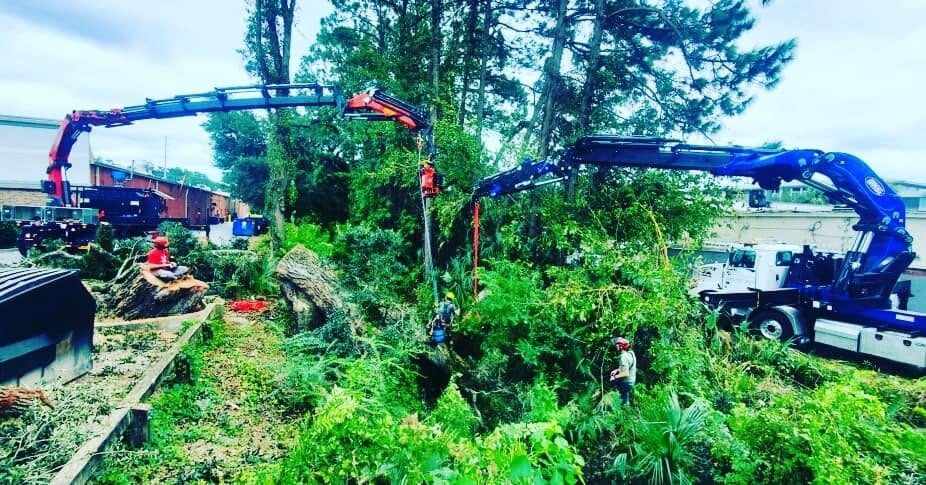
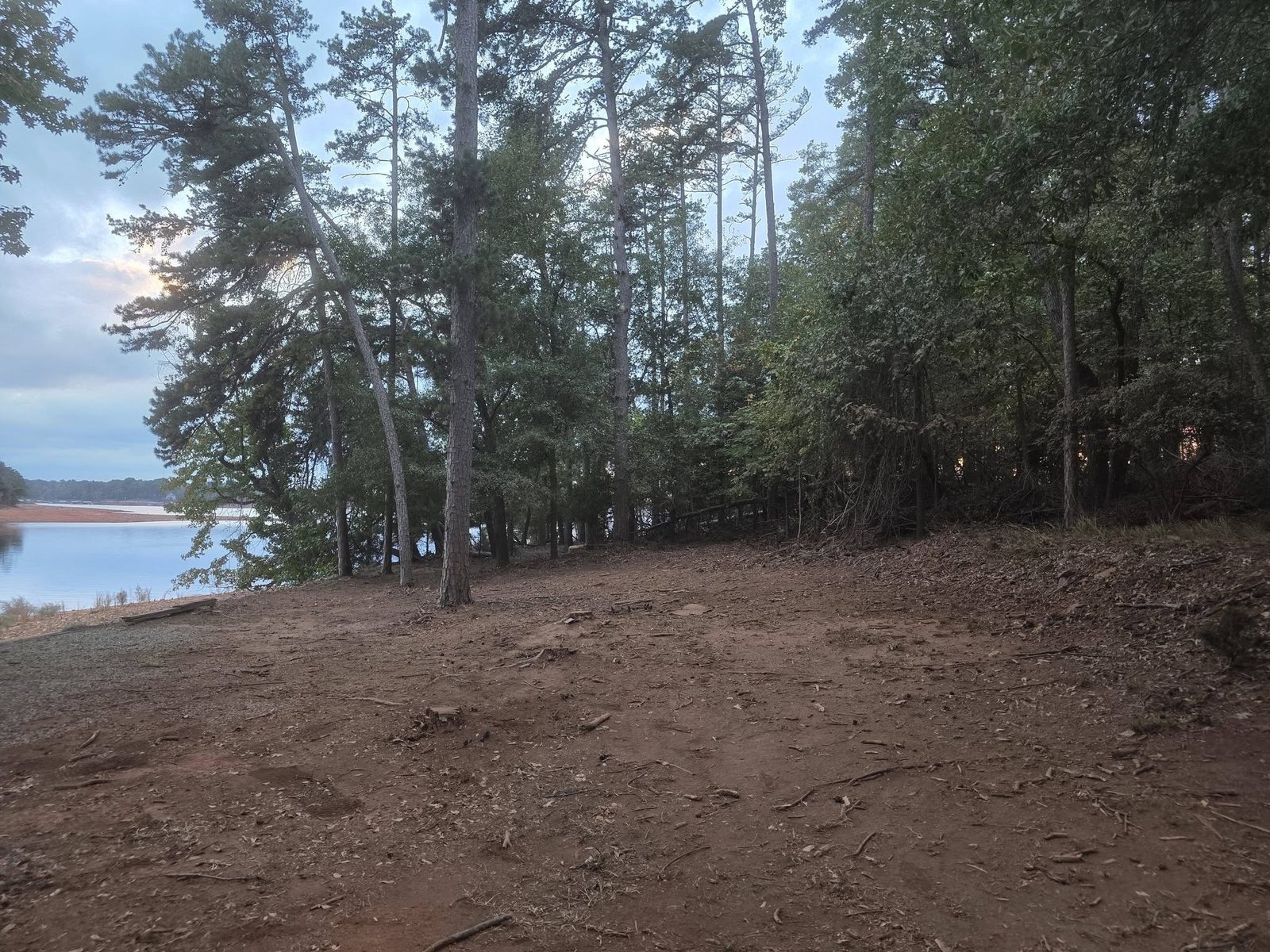
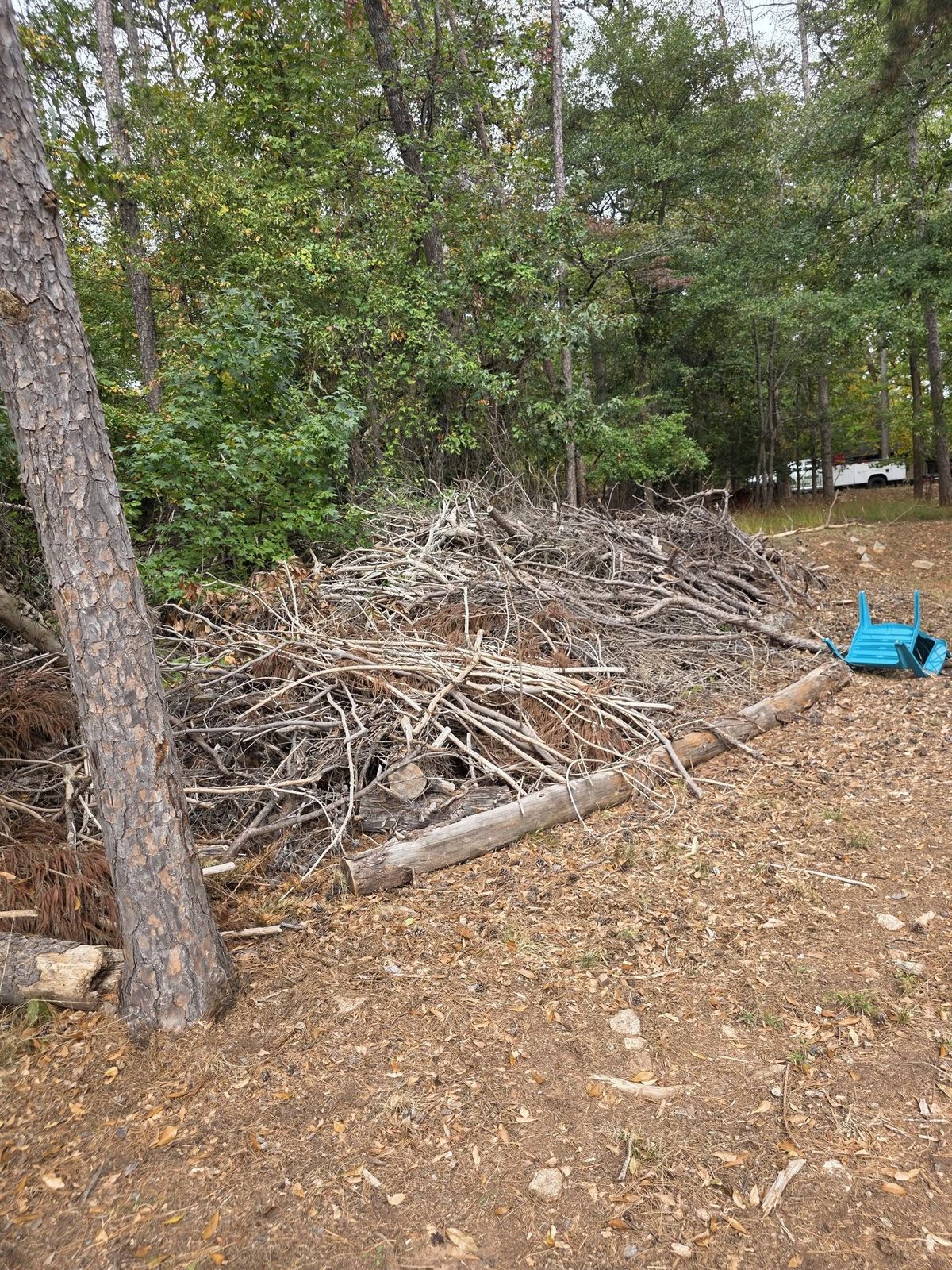
Sites with existing stumps, root masses, or invasive vegetation need that work resolved before installation begins. Stump grinding and land clearing are the upstream decisions — skipping them adds hidden root competition and decay risk to new plantings from day one.
What a full residential installation scope covers
Landscape installation in this region covers more ground than dropping plants in holes. A complete residential project typically involves:
- Grading and drainage prep. Reestablishing positive grade away from structures, cutting swales, or placing French drain infrastructure where water pools. On sloped Pickens County lots this is often the work that determines whether the entire project holds through three years of Upstate weather.
- Soil amendment and bed preparation. Breaking compacted clay, working in organic matter, and adjusting pH where soil tests indicate. Skipping this step is the most common reason new plantings perform well in year one and decline in year two.
- Tree and large shrub installation. Proper planting depth, root flare exposure, and root zone prep matter more than the size of the nursery stock. Existing trees that need crown work or clearance before new plantings go in should be addressed first — tree trimming and installation are most cost-effective when planned together rather than sequenced after the fact.
- Bed edging and definition. Clean edges between turf and bed areas reduce long-term maintenance load and prevent grass encroachment into new plantings over time.
- Mulching. Two to three inches of hardwood mulch conserves moisture, moderates soil temperature during Upstate SC's hot, humid summers, and suppresses weed pressure during the establishment window.
- Post-install watering plan. The first growing season is when most losses happen. A drip system or consistent hand-watering schedule through the first summer is not optional on Pickens County clay.
What installation costs and what moves the number
Residential landscape installation in the Easley area spans a wide range because site conditions vary significantly lot to lot. Grading complexity, plant material size and type, and drainage infrastructure needs are the three variables that move the number most. Rainfall history is a real factor in scoping here — Pickens County has recorded 23 federal disaster declarations across 2005-2026, and lots that look manageable after a dry spring reveal drainage problems in a heavy summer. A contractor who walks a site in dry conditions only is missing the most important data point.
| Scope | Typical Range | Main Cost Driver |
|---|---|---|
| Single bed or entry planting | $800–$2,500 | Plant selection, mulch volume |
| Front yard, existing grade, minor prep | $2,500–$6,000 | Soil amendment, bed edging |
| Front and side yard, minor regrading | $6,000–$13,000 | Grading and drainage tie-ins |
| Full property with drainage infrastructure | $13,000–$22,000+ | French drains, grading, large-caliper trees |
Contractors performing grading or structural drainage work may require licensing through the SC LLR Contractor Licensing Board. Confirm that the license is current and covers the work in the scope before anything is signed — this is public information and easy to verify.
Plant selection for Upstate SC conditions
Pickens County falls primarily in USDA Hardiness Zone 7b at lower elevations, with areas closer to the foothills dropping into 7a. That means winters capable of damaging marginally hardy specimens and summers with the heat and humidity that eliminate plants suited to drier climates. Varieties that look fine at a regional nursery may struggle once they hit Pickens County clay and a July heatwave without supplemental water in place.
Native and adapted species consistently outperform in Upstate conditions. Oakleaf hydrangea, serviceberry, native azaleas, inkberry holly, and Eastern red cedar handle clay drainage variability better than many common landscape staples. For specific variety guidance calibrated to the Upstate South Carolina climate, the Clemson Home and Garden Information Center is the right starting point — their plant recommendations account for regional soil and humidity specifics rather than national planting guides.
If bed preparation involves herbicide application or pre-emergent soil treatment, the contractor performing that work should hold a valid pesticide applicator credential. Clemson's Department of Pesticide Regulation manages applicator licensing in South Carolina — confirming this before work begins is straightforward due diligence, not an unusual ask.
Three questions that keep a landscape bid honest
"Does the quote include a grading and drainage plan?" A plant list without a site prep scope is a quote for the easy part. On Pickens County clay and slope, the prep work determines whether the project holds through three years of Upstate weather. Any quote that ignores drainage on a sloped or poorly-draining lot is missing the most consequential line item.
"Can I see your SC contractor license?" The SC LLR Contractor Licensing Board oversees licensing for work that moves into grading and site construction. Confirm the license is current and covers the full scope in the quote. If a bid includes chemical treatments, ask about pesticide applicator credentials through Clemson's Department of Pesticide Regulation as well.
"What does the plant warranty require from me?" Most warranties are voided by insufficient post-install watering, which puts first-summer irrigation squarely on the homeowner. Know exactly what the warranty requires before you rely on it. If the project involves prior land clearing or stump removal, also confirm how that work connects to the installation timeline — land clearing and stump grinding done out of sequence with installation add cost and risk to both phases.