One growing season rewrites the work order
Pickens County occupies the last foothills before the Blue Ridge Mountains turn into genuine ridge country, and that position places it inside one of the most active invasive plant corridors in Upstate South Carolina. The warm, humid climate and disturbed soils on slope parcels are exactly what kudzu, Chinese privet, wisteria, and autumn olive need to establish quickly. A lot that was last maintained five years ago can look like it has been abandoned for fifteen.
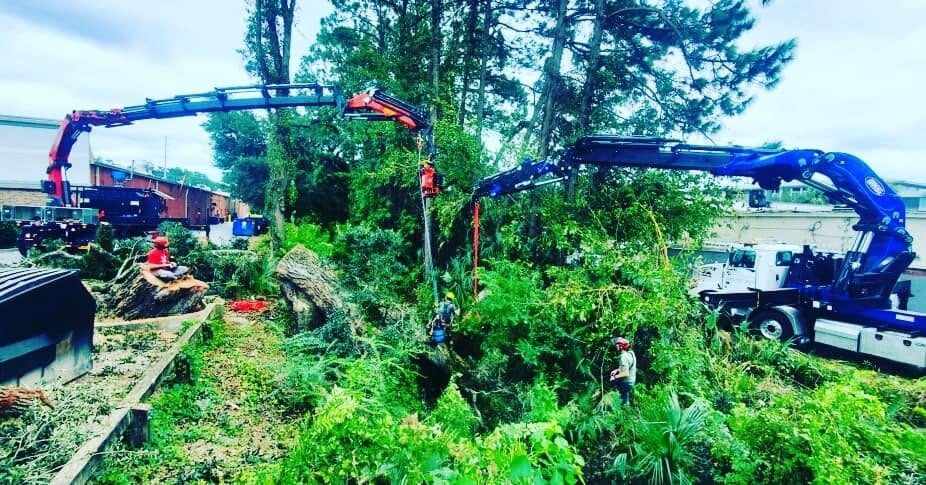
That growth pattern is the central fact for any overgrown lot clearing job here. What looks like a uniform brush field from the road usually has three distinct layers underneath: ground-level bramble and vine mats, mid-story privet and young hardwood resprouts, and a canopy layer where wisteria and kudzu have looped through established trees. Each layer requires different equipment and a different approach. Clear only the top layer and the bottom two redouble within a season; the SC Forestry Commission has documented this regrowth cycle extensively across Upstate counties. The difference between a lot that stays usable and one that has to be cleared again comes down to how the job is sequenced. For the full scope of what clearing services cover, see the land clearing page.
What overgrown actually means out here
Overgrown means different things on different parcels in Pickens County, and the gap between light brush and dense secondary growth can be two to three times the per-acre cost. Light brush: knee-high bramble, saplings under two inches, scattered privet seedlings. That is the fastest and least expensive scenario. Dense secondary growth with established woody invasives, trees to ten inches, and tangled vine mats through the canopy represents the heaviest work and the longest timeline.
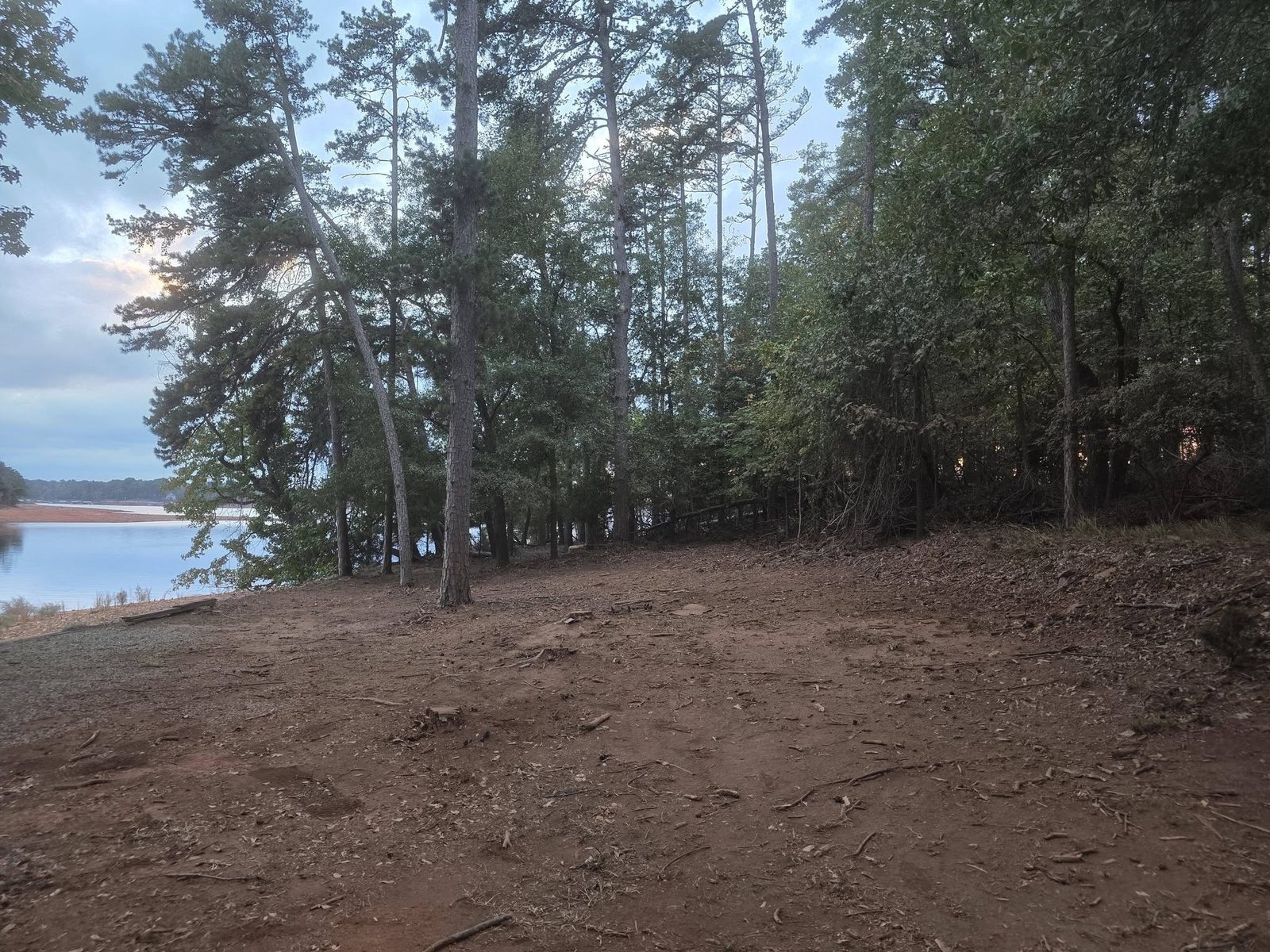
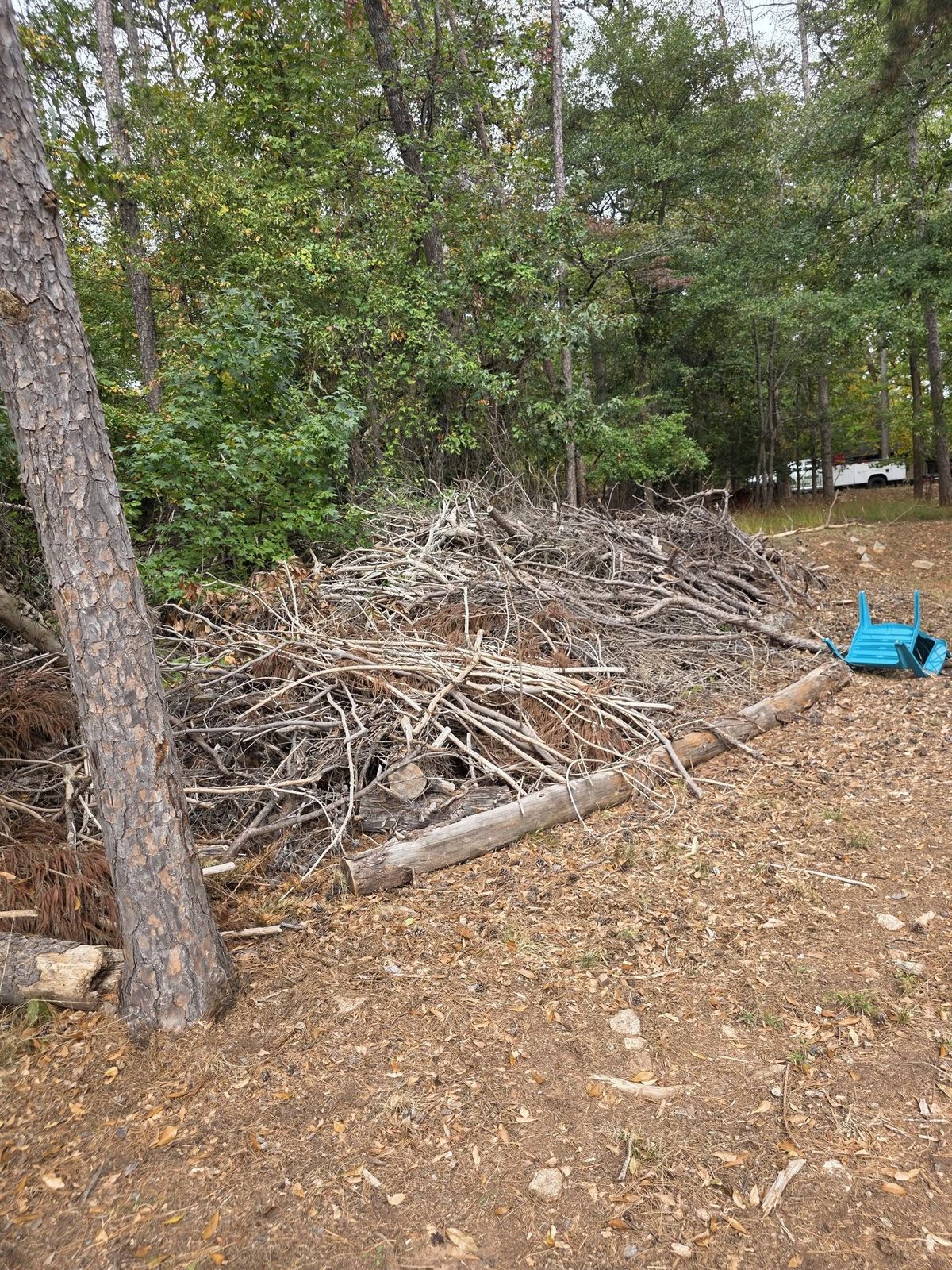
Terrain matters as much as density. The rolling lots in and around Easley often have good equipment access; parcels closer to the county's ridgelines can require tracked equipment or entirely different methods. Slope also drives the debris question: on steeper ground, forestry mulching, which grinds material in place rather than loading it for transport, avoids the erosion risk that follows clearing on bare, disturbed soil. For lots being prepped for construction or new turf, hauling takes material off-site and leaves a cleaner surface. The debris hauling page covers the specifics of what gets hauled, when it makes sense, and how to stage it. Most Pickens County jobs combine both methods depending on what the terrain allows.
What clearing costs in Pickens County
Typical overgrown lot clearing in Pickens County runs $1,500 to $5,000 per acre, with the final number driven by density, slope, and debris handling. Steep terrain slows equipment and increases risk; both push the per-acre rate toward the upper end of the range. The land clearing cost page breaks this down by job type; the table below gives the scope-to-range picture for overgrown lot work specifically.
| Scope | Typical Range (per acre) |
|---|---|
| Light brush, bramble, saplings under 2 inches | $1,500 – $2,200 |
| Mixed brush, privet, saplings to 4 inches | $2,200 – $3,200 |
| Dense secondary growth with invasive vine coverage | $3,000 – $4,500 |
| Heavy growth, large woody debris, slope lot | $4,000 – $5,000 |
| Debris hauling (add-on to any tier) | see hauling page |
These are typical Upstate SC ranges. Tree Wisemen prices every job after a free on-site estimate within 50 miles of Easley; a phone quote without a site visit is not a real number for a job this variable.
Burn rules, storm debris, and what the state requires
Open burning of cleared material requires a permit from the SC Forestry Commission for burns larger than a quarter-acre on private land in South Carolina. That permit system runs year-round, and permits can be rescinded in real time under fire weather conditions: low humidity, sustained wind, dry fuel load. Pickens County has absorbed 23 federally declared disasters over 2005-2026, most of them storm events that deposit substantial woody debris across the landscape; in the aftermath of that kind of event, burn restrictions are often tightened precisely when debris loads are heaviest.
For overgrown lots, burning is rarely the most practical method regardless of permit status. Vine-tangled material is inconsistent fuel; it smokes heavily, burns slowly, and can smolder in root masses for days. Forestry mulching eliminates the fire risk and the permit overhead entirely while leaving a mulch layer that suppresses some regrowth. If herbicide treatment follows clearing to suppress invasive root systems, the applicator must hold a valid pesticide license under Clemson's pesticide regulatory program, which administers SC applicator certification requirements. Any crew proposing chemical treatment should be able to show that credential on request.
Hiring a crew that handles the whole picture
Three checks that matter for Pickens County overgrown lot work: ask whether the crew has cleared slope terrain in the foothills before; flat-lot equipment is not always rated for steeper grades, and an inexperienced crew will either quit the job mid-way or damage the lot. Ask what happens to invasives after the first pass; a crew that quotes only the cut is showing you half the job. And ask whether the contractor carries the right coverage for the scope of work. The SC Contractor Licensing Board is the reference for what licensing thresholds apply to your project.
The Clemson Home & Garden Information Center maintains identification guides for invasive species common in Upstate SC. Knowing which ones are on your lot before anyone quotes suppression methods changes the conversation from clearing to clearing with a plan — which is the only approach that holds in Pickens County's growing conditions.