Foothill hardwoods and why species sets the price here
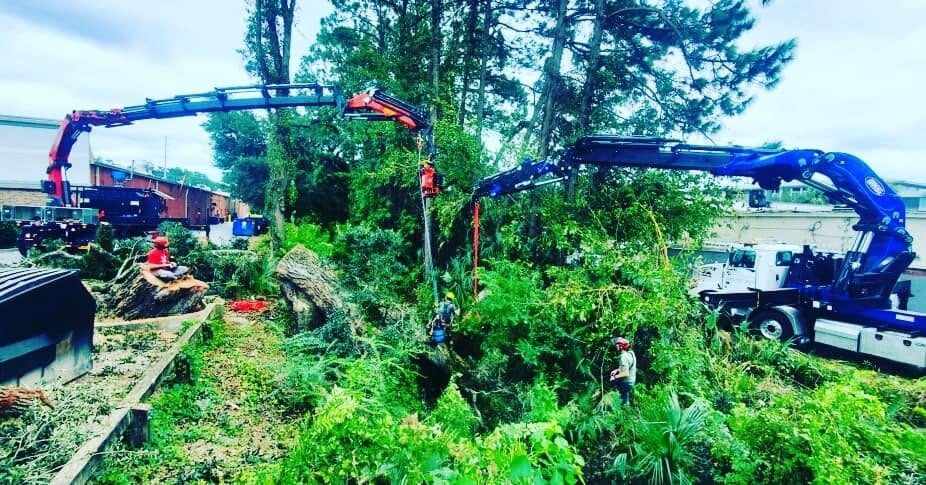
Pickens County sits at the southern edge of the Blue Ridge, where the Upstate piedmont gives way to ridges, creek hollows, and residential lots carved out of forest that in many cases has been growing for a century. White oak, red oak, tulip poplar, and hickory dominate the wooded edges of properties from Easley north toward the Table Rock corridor — wide-canopy hardwoods that build dense, far-spreading root systems in red clay and decomposed granite. When you remove one of those trees, the stump it leaves is heavier and harder to grind than most online cost guides assume.
That species premium is the defining factor for stump grinding work in this county. A twelve-inch pine stump on a coastal SC lot grinds in under thirty minutes. A twenty-four-inch white oak on a slope yard near Dacusville can take three times as long and require a heavier machine to reach grade. Any honest estimate on a mature Pickens County hardwood starts with species and root-flare width, not just the diameter at trunk height.
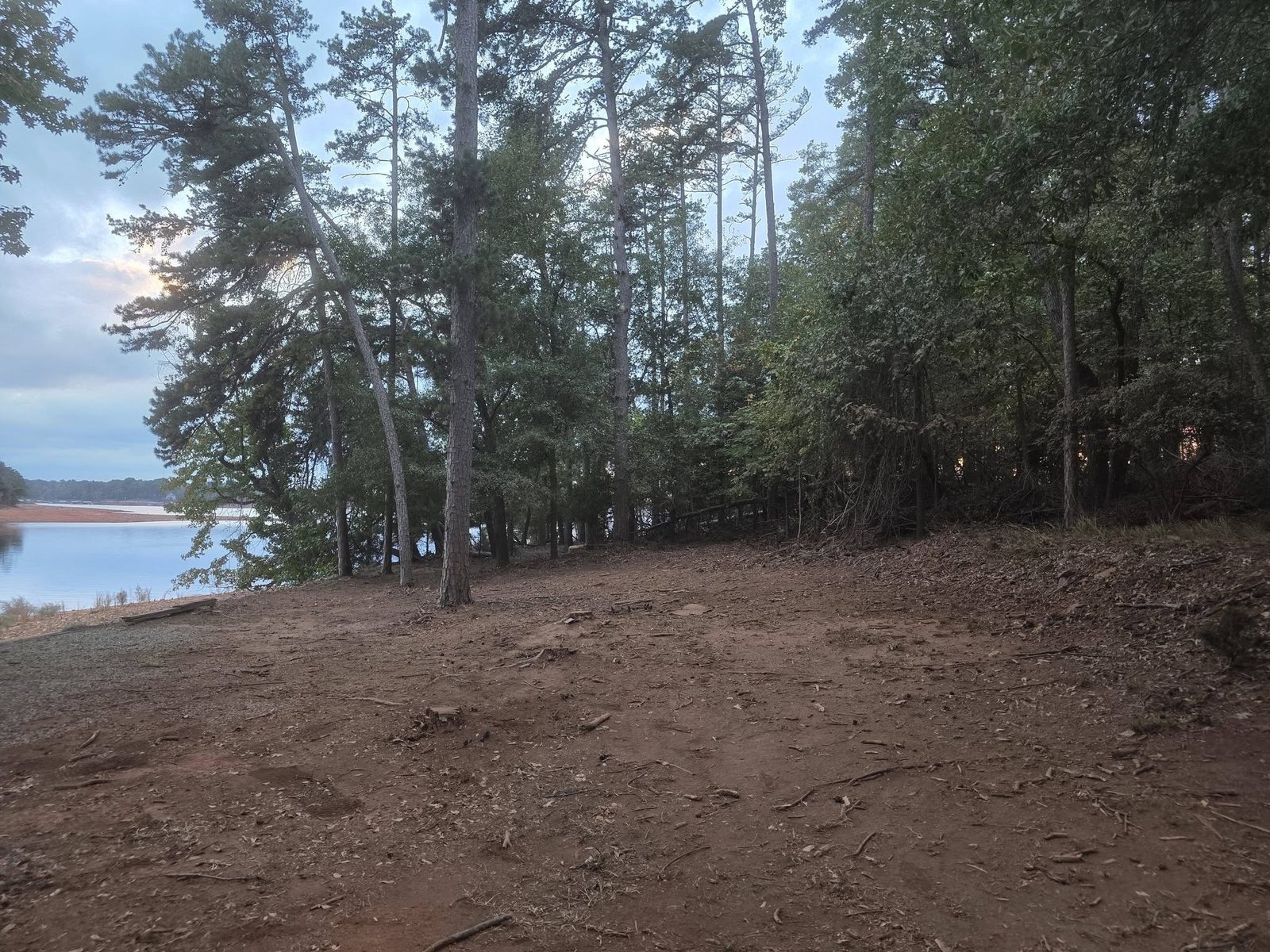
Terrain shapes access too. Many properties here were cleared from wooded land and still carry grade change across the yard — a slope that is easy to walk is enough to slow a grinding machine and limit which equipment can be positioned safely. That question belongs in the estimate conversation, not after the crew arrives.
What a residential stump grind actually covers
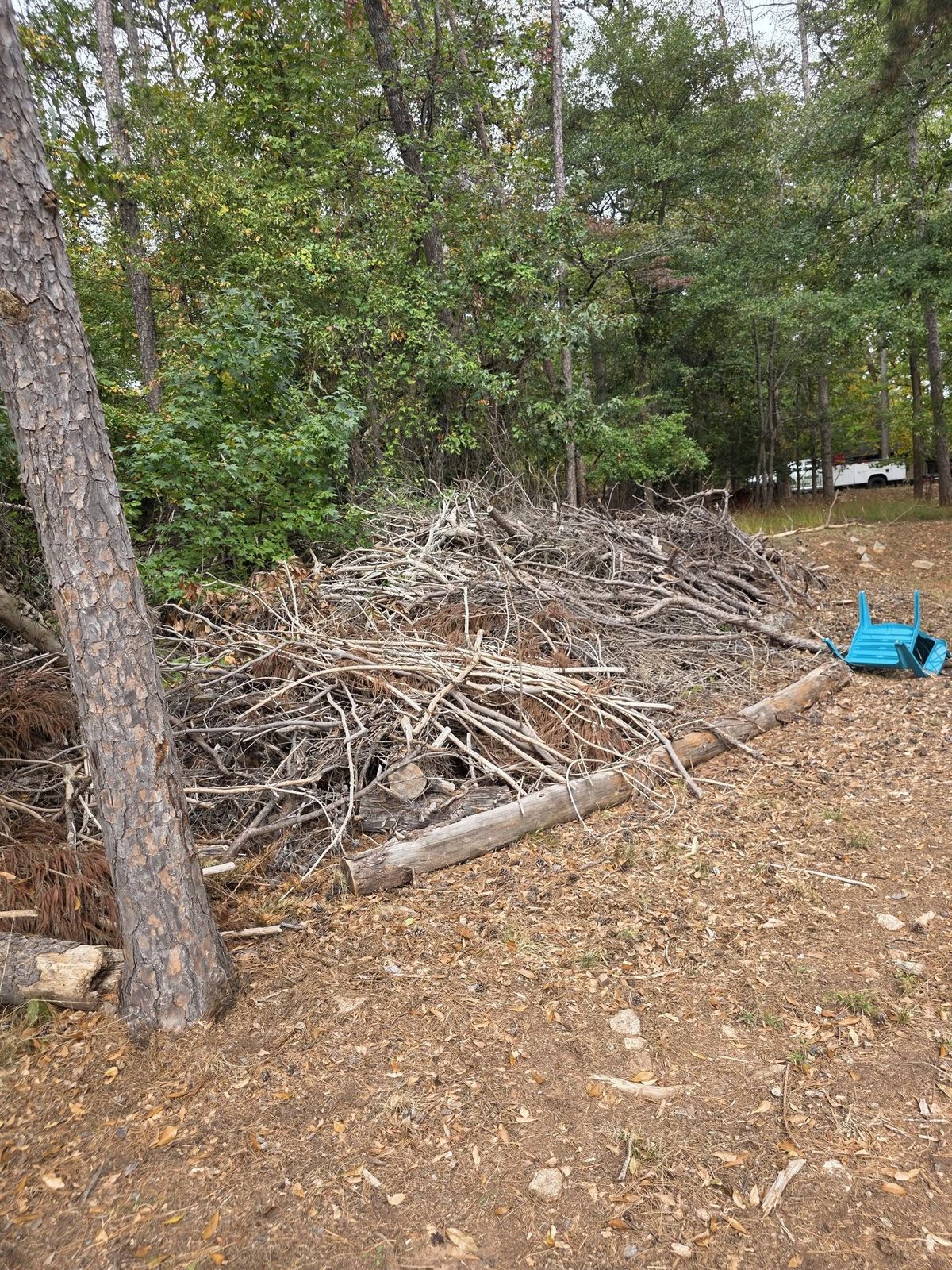
A standard grind takes the stump and visible root flare to 6–12 inches below grade — enough to cover with soil, plant a shrub over, or leave to naturalize. The machine produces a pile of wood chips that can be raked back into the hole or hauled away depending on what you plan to do with the site. Lateral roots that run outward from the base and deeper underground are not part of standard scope; if roots are tracking under a walkway or close to a structure, ask specifically whether the crew will chase them and how far out they typically follow.
The full stump grinding service overview covers a typical visit from machine setup through chip cleanup — including what the hole looks like when the job is done and what stays on the property. For gated rear yards in Easley or Pickens, it is worth confirming machine width before the crew arrives; compact grinders fit most standard fence openings, but that is not guaranteed on every job.
Typical stump grinding cost in Pickens County
Around Pickens, stump grinding runs $100 to $400 per stump. That range is wide because the species mix here is wide — a small softwood stump on a newer cleared lot sits at the low end, while an old-growth white oak with a broad root flare sits near the top. The table below maps typical scope to typical range; the stump grinding cost guide breaks down each line item in more detail.
| Scope | Typical Range |
|---|---|
| Small stump, under 12" diameter | $100–$150 |
| Mid-size stump, 12–24" diameter | $150–$275 |
| Large hardwood stump, 24–36" diameter | $225–$350 |
| Oversized oak or tulip poplar, 36"+ diameter | $300–$400 |
| Root surface chase beyond standard flare | Ask at estimate |
Slope access and equipment positioning are the main line items that move a quote without changing the stump itself. A flat, driveway-accessible stump prices quickly; the same stump up a hillside or inside a narrow gate takes longer to set up and is priced to reflect that. For any job where the terrain is not simple, an on-site estimate is the only number worth trusting.
Storm seasons and the stumps they leave behind
Pickens County sits in the path of ice storms that push down off the Blue Ridge in winter and convective wind events that move through the Upstate in late spring and summer. The county has 23 federal disaster declarations on record (2005-2026), most of them storm-related. Each significant event brings trees down — sometimes cleanly, sometimes as a split trunk with roots still in the ground — and the stump grinding work that follows often comes weeks or months after the emergency removal, once the cleanup priority shifts from safety to restoration.
Ice loading is especially relevant to hardwoods in this county. A white oak carrying a full crown through a half-inch ice event can split at the main crotch, leaving a stump with an irregular, broad surface that grinds differently than a clean chainsaw cut at a standard height. Those surfaces take longer to bring to grade. The National Weather Service documents the storm pattern that shapes what crews across the Upstate deal with every winter and spring — the history here makes stump backlog after weather events a recurring part of the market.
Picking a crew in Pickens County
Three questions separate crews that do this work correctly from ones that simply own a grinder. First: have they worked your species? Grinding tulip poplar and grinding white oak are meaningfully different jobs, and a crew that mostly works pine will underestimate the time on a dense hardwood. Second: are they properly licensed and insured for tree work in SC? The SC LLR Contractor Licensing Board tracks licensing requirements; for jobs that go beyond stump grinding into larger removal or lot clearing, licensing thresholds become relevant. Third: what happens to the chip pile? Some customers want chips left as mulch; others want a clean site. That cleanup conversation belongs in the estimate.
For stumps you are undecided about — ones that are sprouting aggressively or sitting close to a foundation or utility line — the Clemson Cooperative Extension Home and Garden Information Center publishes guidance on stump sprout management and what to expect from different hardwood species after cutting. The SC Forestry Commission also maintains landowner resources on tree health and removal for Upstate SC properties. When you are weighing whether to grind now or wait a season, the stump in the yard guide walks through the tradeoffs — including what root systems do over time and when waiting costs more than acting early.