Old mill stock and Anderson County's ice problem
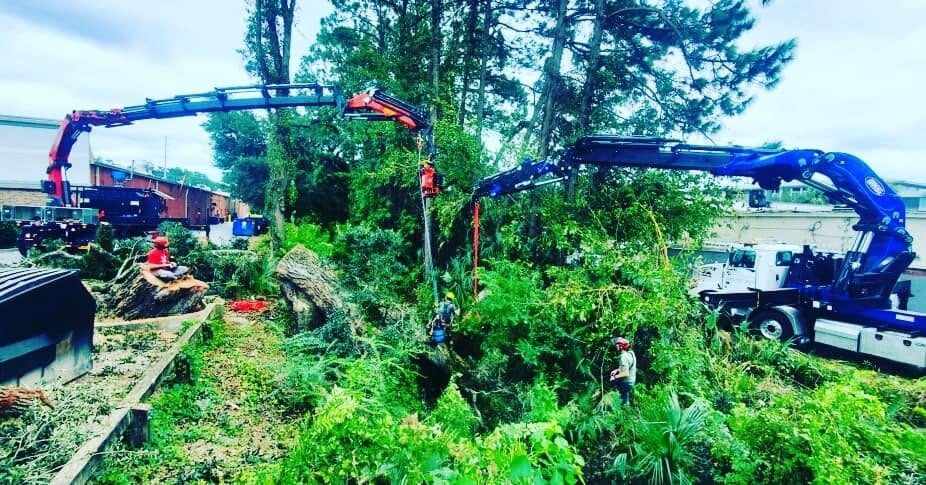
Piedmont sits at the edge of Anderson County where the textile mill era shaped the tree canopy in ways that show up in removal jobs today. The neighborhoods that grew up around those mills were planted with water oaks, sweetgums, and loblolly pines in the mid-20th century, and many of those trees are now 60 to 80 years old and past their structural prime. Water oaks hold on longer than they should: the outer crown looks full while the trunk has been hollowing for a decade. On tight mill-village lots where trees grow six or eight feet from a roofline, that combination of age and proximity changes the job considerably.
The second Piedmont factor is ice. Upstate SC catches ice storms the coast rarely sees, and Anderson County has had its share. The added weight coats pine crowns and splits sweetgum co-dominants down to the root flare. Bradford pears, common throughout the county's neighborhoods from the 1980s and 1990s, fail in ice because of their tight branch angles. Hazard assessment before storm season, rather than after, is the most cost-effective service a Piedmont homeowner can commission. By the time ice is on the forecast, the window to act has closed.
What tree removal costs in Anderson County
Pricing starts with what the tree is, where it sits, and how it has to come down. A straight pine in an open yard is a different job than a water oak leaning over a carport in a Piedmont neighborhood. The full cost breakdown walks through the line items; the table below covers the most common Anderson County removal jobs.
| Tree size / situation | Typical range | What drives cost |
|---|---|---|
| Small tree under 30 ft | $300–$600 | Tight access, proximity to structure |
| Medium tree 30–60 ft | $600–$1,200 | Species, lean, ground conditions |
| Large tree 60–80 ft | $1,200–$2,000 | Equipment needs, debris volume |
| Hazardous or over structure | $1,500–$3,000+ | Rigging, section work, complexity |
| Storm emergency | Toward top of range | Tangled crowns, tension in wood |
Piedmont jobs with limited backyard access (fenced yards, narrow side yards between mill-village homes, or grades that keep a bucket truck off the property) push toward the top of the medium and large ranges. Climbing work and rigging add time; the final number reflects the access as much as the tree itself. Get the conversation started before the next storm with a free estimate. Tree Wisemen prices every job after a site visit; the figures here are typical Upstate SC ranges, not their quote.
Storm history and what it means for Piedmont trees
Anderson County's federal disaster record runs to 18 declared events over 2005-2026, most of them in the severe storm, tornado, and flooding category. Each event does incremental damage that shows up years later: root systems stressed by saturated soil, included bark at co-dominant stems that never healed cleanly, and dead wood in the crown that did not fall during the storm but will. The SC Forestry Commission publishes hazard tree identification resources covering Upstate SC species, a useful checklist to review before storm season. The NOAA National Weather Service maintains the historical severe weather record for Anderson County going back decades, helpful context if you are trying to understand what a tree on your property may have already been through.
The Saluda River corridor cuts through the southern end of Anderson County and creates persistent soil saturation zones that reach closer to Piedmont-area neighborhoods than most homeowners realize. Trees rooted in those soils face a different kind of stress than trees in well-drained upland red clay: the root flare stays wet, anchorage weakens slowly, and the first visible sign is typically a lean that developed over several years. Any tree on your property backing up to a drainage swale, creek buffer, or low-lying lawn warrants a closer look before the next ice or wind event.
What SC law requires before the job starts
Anderson County does not run a universal residential tree permit program, but specific situations trigger licensing and regulatory requirements. Any contractor crossing South Carolina's licensing thresholds must hold current credentials through the SC LLR Contractor Licensing Board; ask to see that documentation before significant removal work begins, particularly jobs near structures, over rooflines, or adjacent to utility easements. Tree work near overhead utility lines involves a separate utility notification process independent of contractor licensing: in South Carolina, contacting the relevant utility company before work begins near power lines is a step the homeowner should initiate, not assume the crew has handled. Homeowners on larger parcels should also confirm whether their deed, HOA covenants, or any conservation easement restricts removal of large specimen trees before work is scheduled.
Chemical treatment after removal, such as herbicide application to freshly cut stumps, requires a pesticide applicator license. South Carolina designates Clemson University's Department of Pesticide Regulation as the lead agency for those credentials. Any crew proposing stump treatment should hold that license, and asking to see it is a standard, reasonable step before work begins.
After the tree is gone
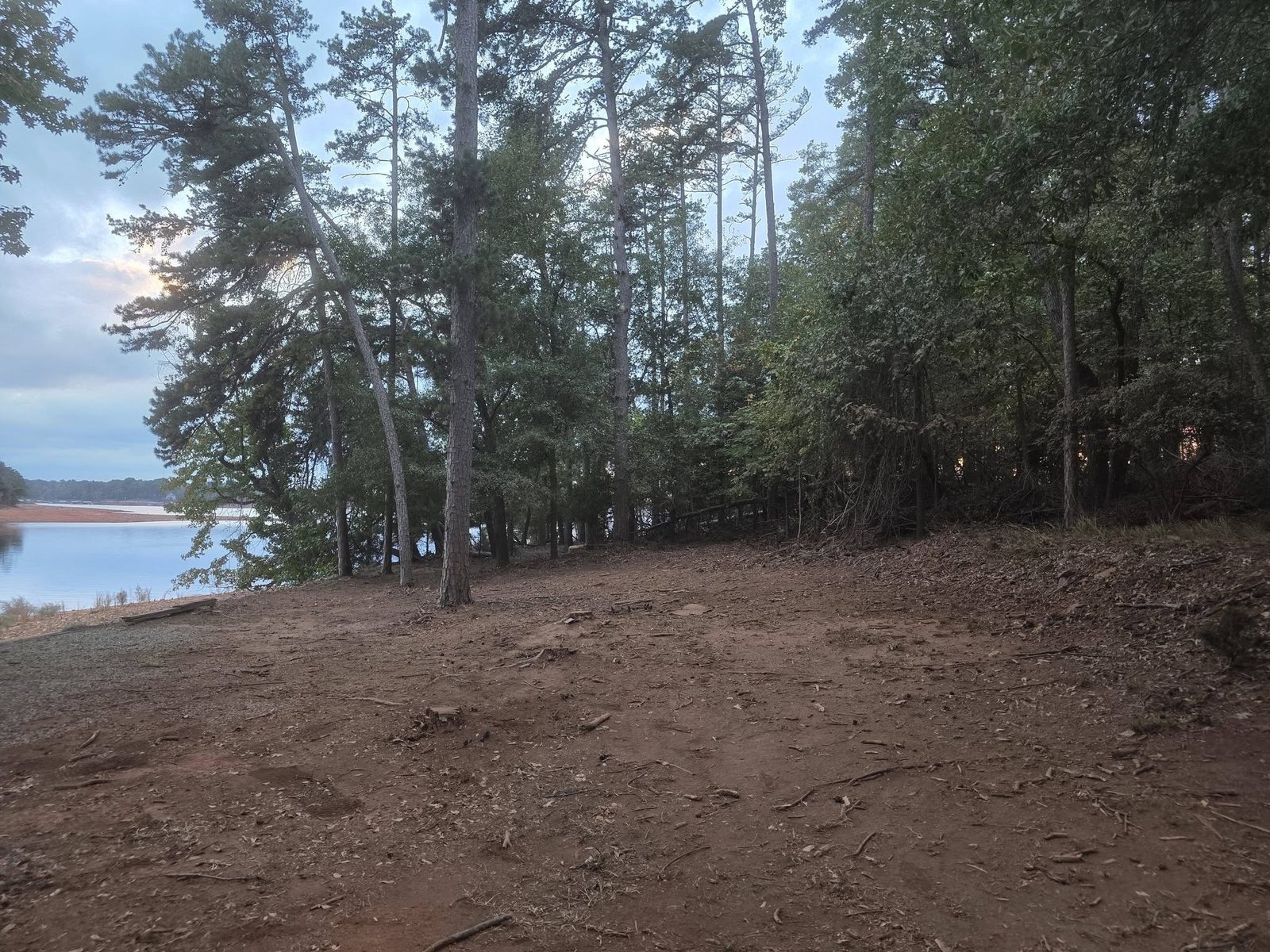
Most Piedmont removal jobs leave a stump. Leaving it in place invites fungal spread: Ganoderma and similar pathogens migrate from dead root systems to neighboring trees, and in older neighborhoods where the canopy is dense, that risk compounds quickly. Stump grinding is typically scheduled the same day as removal or shortly after; the chip fill settles over a growing season and the area can be replanted or sodded without leaving a mowing hazard or a source of ongoing decay.
Deciding what to plant is worth doing before the job, not months later. Clemson Cooperative Extension's Home and Garden Information Center maintains Upstate SC planting guides that account for Anderson County's clay-heavy soil and seasonal rainfall patterns, a practical starting point before committing to a replacement species. Some locations that supported a 70-foot water oak will not sustain another large canopy tree without soil amendment first; a graded site with compacted fill is a different planting problem than the original footprint.