What tree work looks like on a Clemson lot
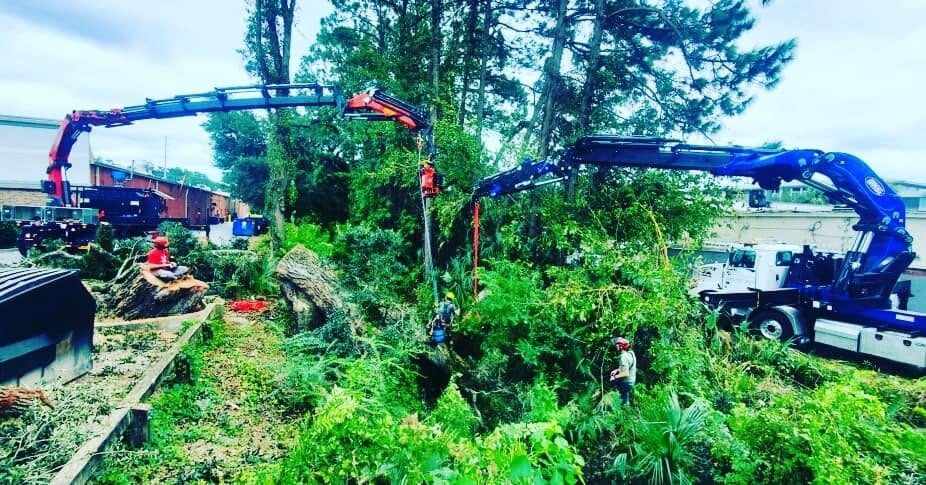
Clemson sits where the Piedmont grades into the Blue Ridge foothills, and that terrain is the first thing that changes a tree job here. Many residential lots surrounding the university, and especially the properties backing up to Lake Hartwell, carry slopes that limit where equipment can stage. A tree that reads as straightforward from the street often requires full rigging once a climber sees the grade behind the house.
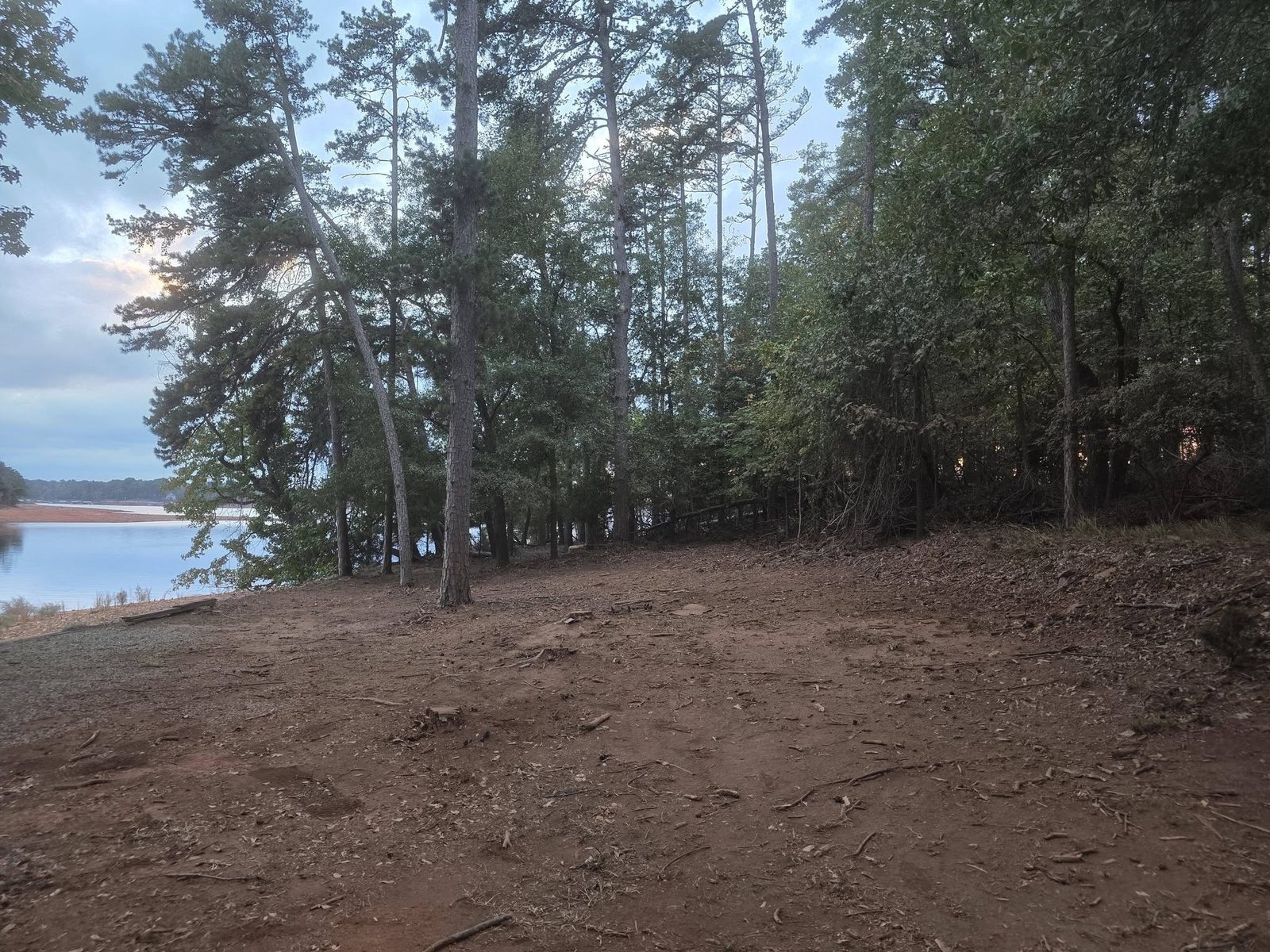
The dominant species reflect the Upstate SC hardwood transition zone: water oaks, white oaks, tulip poplars, and hickories. These grow wide before they grow old, and a mature water oak overhanging a roofline is a rigging problem, not a chainsaw problem. Lakefront lots add a second constraint: the US Army Corps of Engineers manages the Lake Hartwell shoreline at the 660-foot full-pool contour, which determines where crews can stage and how debris moves off the site.
The specific combination of slope, hardwood canopy, and shoreline access that defines Clemson's residential tree work doesn't appear on a standard quote from elsewhere in Pickens County. The full tree removal service covers all of these scenarios, and the process starts with a site visit that accounts for grade, overhead structures, and proximity to the water before any scope or price is set.
What tree removal costs in Pickens County
The honest cost range for work around Clemson starts at $300 for a small tree in a clear drop zone and reaches $2,000 for large hardwoods requiring rigging, crane positioning, or work over structures. The full tree removal cost breakdown gives a complete line-item view; the table below covers the most common job types in this area.
| Job scope | Typical Upstate SC range |
|---|---|
| Small tree (under 30 ft), clear drop zone | $300 – $600 |
| Medium tree (30–60 ft), standard yard access | $600 – $1,200 |
| Large hardwood or pine (60 ft+), open site | $1,200 – $2,000 |
| Any size, over a structure or on a slope lot | Toward top of range |
| Hazardous tree or emergency removal | May exceed standard range |
The two price movers on most Clemson jobs are access and proximity. Slope lots require more rigging points and more labor hours than flat ground. Trees over structures or near the water line need piece-by-piece lowering rather than a full fell. A quote that doesn't ask about terrain and access is assuming flatland conditions that most Clemson lots don't have, and that gap is where surprise costs come from.
How Upstate SC weather builds the work backlog
Pickens County has a documented storm record that explains a significant share of tree calls each year. The federal disaster record shows 23 declared events affecting this county over 2005-2026, the majority storm-family events bringing wind, ice, and flooding. The NOAA National Weather Service upland forecast zone covering Clemson's foothills terrain sees regular January and February ice events that split hardwood co-dominants before the wood shows any visible decay on the surface.
A co-dominant is a tree with two or more large competing stems sharing a root system. These read as healthy from the ground. After a single significant ice load, the included bark between those stems fails, and a half-tree lands on whatever is below it. Identifying and removing or cabling co-dominants before an event costs considerably less than the emergency call-out that follows. The stump grinding service we pair with every removal follows the same principle: a site finished correctly once doesn't generate a second bill from the same problem.
Vetting a tree crew in Clemson
Tree work in South Carolina doesn't require a dedicated arborist license for removal, but contractors taking payment for the work fall under the SC LLR Contractor Licensing Board thresholds once jobs cross into general contracting territory. Ask for a contractor license number before any work starts and confirm it is current. The SC Forestry Commission publishes hazard assessment and tree health guidance that separates crews who understand species-specific decay from those who don't — bring up those resources in a conversation and see what happens.
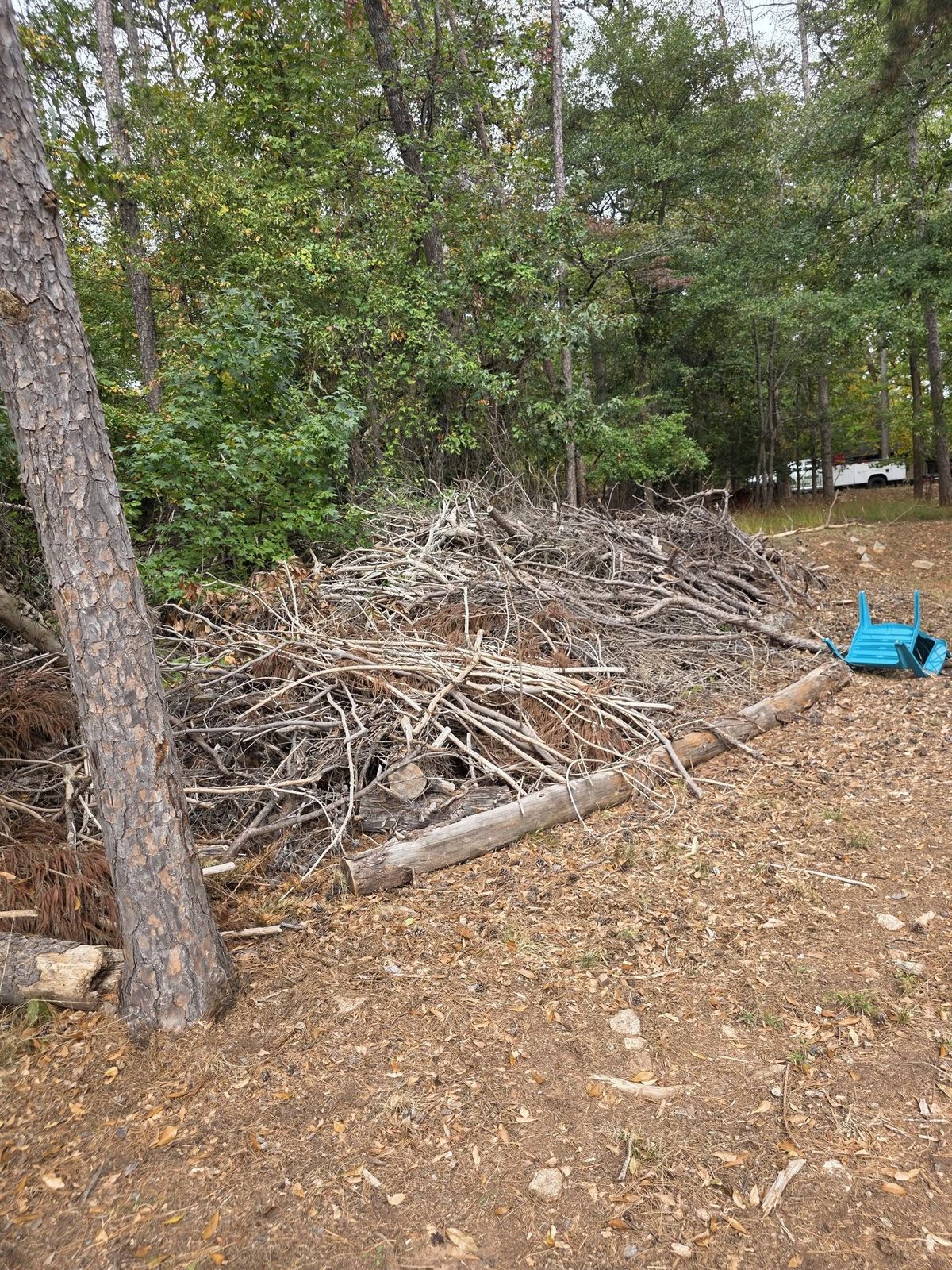
Three checks that matter specifically in Clemson: ask whether the crew has worked slope lots and lakefront properties in Pickens County; ask what the debris plan is for tight-access jobs, since chipping in-place is sometimes impossible near the shoreline; and ask for per-occurrence liability coverage with real limits. The older blocks close to campus have dense canopy over neighboring rooflines and vehicles, and coverage limits matter when a section lands somewhere unexpected. These questions cost nothing to ask and reveal a great deal about how a crew actually operates.
After the tree is down
Stumps on slope lots and near-water properties create problems that aren't obvious right away. Root mass collapse on a grade starts an erosion channel at the base. Beetle activity in an untreated stump near the shoreline can spread to healthy standing trees faster than on a dry, flat lot. The Clemson Cooperative Extension Home and Garden Information Center carries practical guidance on wood debris management and replanting species suited to Upstate SC growing conditions, including options that work well on the sloped, partial-shade sites common around the lake.
The stump grinding service works flush to grade or several inches below, then back-fills the void. It can be bundled with the removal for a single mobilization cost. Waiting a few weeks before grinding is fine and sometimes preferred. Waiting years allows the root mass to decay unevenly, which creates ground soft spots, slows the grinder, and raises the cost. If replanting is in the plan, reading the Extension guidance before the replacement tree goes in the ground saves a second round of work later.
Water oaks, drawdown season, and when to schedule
Water oaks are the most common hazard species in this part of Upstate SC. They mature faster than white oaks, degrade from the inside with minimal surface signs, and tend to drop limbs during summer heat stress when soil is also saturated from afternoon thunderstorms. A water oak that looked fine after last winter's ice events may still be significantly compromised by mid-August. The external signs are sparse: a small dead limb here, slightly early fall color there. If a water oak is within striking distance of a structure, a climber's inspection is worth more than a drive-by assessment.
Timing also works differently on Lake Hartwell shoreline properties. Drawdown season in fall and early winter drops pool levels and exposes shoreline access that isn't available at full pool in spring. For lots where equipment staging requires getting close to the water line, fall scheduling often means better access and lower total cost than a spring job on the same tree. If you have a shoreline lot with a tree you've been watching, that fall window fills quickly and is worth requesting early.